

Why travel makes people happier is a question that has fascinated scientists, psychologists, and travelers alike. There is a reason why so many people return from a trip feeling refreshed, energized, and full of stories. Travel has a unique ability to change the way we think, feel, and experience the world. While vacations are often associated with sightseeing and relaxation, the benefits of travel go much deeper than taking photographs or checking destinations off a bucket list.
For many people, travel represents freedom. It offers a break from routine, an opportunity to experience something unfamiliar, and a chance to reconnect with themselves. Whether it’s a weekend getaway to a nearby town or a month-long journey across another country, travel has a powerful impact on happiness and well-being.
Scientists and psychologists have spent years studying why travel makes people happier. Their findings suggest that the positive effects come from a combination of anticipation, new experiences, social connections, and personal growth. Together, these elements create lasting memories that continue to bring joy long after the trip has ended
The Excitement Begins Before the Journey

One of the most interesting aspects of travel is that happiness often starts before the actual trip.
Think about the feeling of planning a vacation. Browsing destinations, researching attractions, booking accommodations, and imagining future experiences can create excitement and anticipation. In many cases, people feel happier simply because they have something to look forward to.
Unlike material purchases, which often lose their appeal after a short period, travel experiences generate positive emotions before, during, and after the journey. The anticipation becomes part of the overall experience and contributes to long-lasting satisfaction.
Even discussing travel plans with friends and family can boost excitement and create a sense of adventure before leaving home.
Breaking Free From Routine
Daily life often follows predictable patterns. People wake up, go to work or school, complete responsibilities, and repeat the same schedule day after day.
While routines provide structure and stability, they can sometimes lead to boredom and mental fatigue. Travel interrupts these patterns and introduces something different.
When visiting a new destination, even simple activities become interesting. Finding a local café, navigating unfamiliar streets, or learning basic phrases in another language requires attention and engagement. These experiences encourage people to become more present and aware of their surroundings.
Stepping away from routine allows the mind to reset. Many travelers return home feeling mentally refreshed because they have temporarily escaped the pressures and habits of everyday life.
New Experiences Stimulate the Mind
The human brain naturally responds to novelty. New experiences activate curiosity and encourage learning, which contributes to positive emotions.
Travel constantly exposes people to unfamiliar environments, foods, customs, landscapes, and perspectives. Every destination offers opportunities to discover something new.
Trying local dishes, exploring historical landmarks, or participating in cultural traditions creates memorable experiences that stimulate the brain. These moments stand out because they differ from ordinary daily activities.
Research suggests that people often remember experiences more vividly than possessions. A souvenir may eventually be forgotten, but the memory of watching a sunrise from a mountain peak or sharing a meal with locals can remain meaningful for years.
This is one reason travel often feels more rewarding than purchasing material items.
Travel Encourages Personal Growth
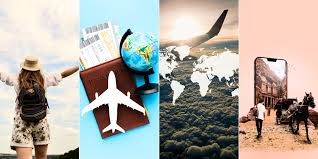
Travel challenges people in ways that promote personal development.
Navigating an unfamiliar place requires problem-solving, adaptability, and confidence. Travelers may encounter language barriers, transportation challenges, or unexpected situations that force them to think creatively and remain flexible.
These experiences help build resilience. Each challenge overcome contributes to a greater sense of independence and self-confidence.
Solo travel, in particular, can be transformative. Without familiar support systems, individuals often discover strengths they did not know they possessed. They learn to trust their judgment, make decisions independently, and become comfortable with uncertainty.
Even short trips can provide opportunities for growth by encouraging people to step outside their comfort
The Science Behind Why Travel Makes People Happier
Researchers have spent years studying the connection between travel and happiness. Scientific studies suggest that travel can reduce stress, improve mental well-being, and increase life satisfaction. Exploring new places stimulates the brain, encourages learning, and creates positive emotions through novel experiences. Travel also strengthens social connections and provides a break from daily routines, helping people feel refreshed and motivated. These psychological benefits help explain why travel makes people happier and why the positive effects often continue long after a trip has ended.
Travel and Mental Well-Being
Modern life can be stressful. Work responsibilities, academic pressure, financial concerns, and constant digital connectivity can leave people feeling overwhelmed.
Travel provides an opportunity to step away from these stressors, even temporarily.
Natural environments such as beaches, mountains, forests, and lakes are particularly beneficial for mental well-being. Spending time in nature has been linked to reduced stress levels and improved mood.
Travel also encourages mindfulness. When people explore a new place, they tend to pay closer attention to their surroundings. They notice details, appreciate experiences, and become more engaged in the present moment.
This shift in focus can help reduce anxiety and create a greater sense of calm.
Cultural Experiences and Broader Perspectives
One of the greatest benefits of travel is the opportunity to experience different cultures.
Visiting another region or country exposes travelers to new traditions, beliefs, and ways of life. These experiences often challenge assumptions and encourage open-minded thinking.
Travel helps people realize that there are many different ways to live, work, celebrate, and connect with others. This understanding can increase empathy and appreciation for cultural diversity.
By interacting with people from different backgrounds, travelers often gain a deeper understanding of both the world and themselves.
These cultural experiences add depth and meaning to travel while contributing to personal growth and happiness.
Why Memories Matter More Than Possessions
Many studies suggest that experiences contribute more to long-term happiness than material purchases.
A new phone, car, or gadget may provide temporary excitement, but that feeling often fades over time. Travel experiences, however, become part of a person’s life story.
Memories created during travel can be revisited repeatedly through photographs, conversations, and reflection. These memories often gain value as time passes because they become connected to personal growth and meaningful experiences.
Years later, people may not remember every detail of a purchase, but they often remember the places they visited and the adventures they experienced.
This lasting emotional impact is one reason travel remains such a powerful source of happiness.
Conclusion
Travel offers much more than a change of scenery. It provides opportunities for learning, personal growth, social connection, and mental renewal. From the excitement of planning a trip to the memories created afterward, travel influences happiness in ways that few other experiences can match.
By breaking routines, introducing new perspectives, and encouraging meaningful experiences, travel helps people feel more connected to the world around them. Whether exploring a distant country or discovering a nearby destination, the journey often leaves a lasting impact.
In the end, travel is not simply about reaching a place. It is about experiencing life in a richer, more meaningful way—and that may be one of the strongest reasons why it makes people happier.