
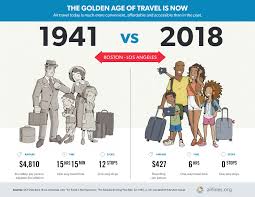
How Technology Has Changed Modern Travel and Tourism is evident in nearly every stage of the travel experience. From booking flights and accommodations online to using navigation apps and digital payment systems, technology has made travel more convenient, efficient, and accessible than ever before. Travelers can now plan entire trips from their smartphones, access real-time information, and stay connected no matter where they are in the world.
Over the years, technological innovations have transformed the way people explore new destinations. Mobile apps, online reviews, and digital travel platforms help travelers make informed decisions and enjoy smoother journeys. As technology continues to evolve, it is reshaping the travel and tourism industry while creating new opportunities for both travelers and businesses.
The Evolution of Travel Planning
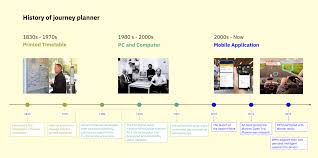
Not long ago, planning a trip often meant visiting a travel agency or spending hours collecting information from books and brochures. Travelers had limited access to information and frequently relied on recommendations from friends or family.
Today, the internet has completely changed this process. Within minutes, travelers can access thousands of reviews, travel blogs, videos, and destination guides. Information that once took days to gather is now available instantly.
This easy access allows people to make more informed decisions. Travelers can compare destinations, research attractions, check weather forecasts, and read firsthand experiences before making reservations.
As a result, travel planning has become more flexible and personalized than ever before.
Online Booking Has Simplified Travel
One of the biggest technological changes in tourism is the rise of online booking platforms.
In the past, booking flights, hotels, and transportation often involved multiple phone calls and paperwork. Today, travelers can compare prices from hundreds of providers in one place and complete bookings within minutes.
Online platforms allow users to filter results based on budget, location, amenities, and traveler reviews. This transparency gives consumers greater control over their travel decisions.
The convenience of digital booking has made travel more accessible to a wider range of people. Whether planning a weekend getaway or an international adventure, travelers can organize entire trips without leaving their homes.
The ability to make instant reservations has become one of the defining features of modern travel.
How Technology Has Changed Modern Travel and Tourism
From navigation apps to contactless payments, digital tools have simplified many aspects of travel. Modern travelers can access real-time information, communicate across languages, and manage their itineraries directly from their smartphones. These innovations have made travel more convenient, efficient, and accessible than ever before.
Digital Maps and GPS Navigation

Getting lost was once considered an unavoidable part of traveling. Tourists often carried paper maps and spent time asking locals for directions.
While unexpected discoveries still happen, GPS technology has dramatically improved navigation. Smartphones now provide real-time directions for driving, walking, cycling, and public transportation.
Digital maps help travelers confidently explore unfamiliar cities and rural areas. Navigation apps can suggest alternative routes, estimate travel times, and even recommend nearby attractions or restaurants.
This technology has reduced travel-related stress and allowed visitors to spend more time enjoying destinations rather than worrying about finding their way.
For many travelers, GPS navigation has become as essential as a passport.
Communication Across Borders
Technology has made communication easier than ever, even when traveling far from home.
Before the internet era, international communication could be expensive and inconvenient. Travelers often relied on public telephones, postcards, or limited access to communication services.
Today, messaging apps, video calls, and social media platforms allow people to stay connected regardless of location. Families and friends can communicate instantly across continents.
Language barriers have also become easier to manage. Translation applications can convert text, speech, and even images into different languages within seconds. While they may not be perfect, these tools help travelers navigate unfamiliar environments more confidently.
The ability to communicate easily has made international travel less intimidating and more accessible.
The Rise of Travel Apps
Travel applications have become powerful tools for modern explorers.
There are apps designed for almost every aspect of travel. Some help users book flights and accommodations, while others assist with currency conversion, itinerary management, transportation schedules, and local recommendations.
Weather applications allow travelers to prepare for changing conditions. Expense-tracking apps help manage budgets. Translation tools assist with communication.
Many travelers now organize entire journeys using a collection of mobile applications that streamline planning and improve convenience.
These digital tools have effectively placed a personal travel assistant in every smartphone.
Social Media and Travel Inspiration
Social media has significantly influenced how people choose travel destinations.
Platforms filled with photographs, videos, and travel stories expose users to locations they may never have considered visiting. A stunning mountain view, a hidden beach, or a unique cultural experience can inspire future adventures.
Travel creators and bloggers share insights, tips, and recommendations that help others plan their trips. Destinations themselves often use social media to promote tourism and showcase attractions.
However, social media has also changed traveler behavior. Many people now seek destinations specifically because they have seen them online. While this can boost tourism, it can also lead to overcrowding in popular locations.
Despite these challenges, social media continues to play a major role in shaping travel trends.
Smart Hotels and Modern Accommodation

Technology has also transformed the hospitality industry.
Many hotels now offer digital check-in services, keyless room entry, and mobile concierge assistance. Guests can use their smartphones to access rooms, request services, and communicate with hotel staff.
Smart rooms may include voice-controlled lighting, automated climate settings, and personalized entertainment options. These features improve convenience and enhance the guest experience.
Accommodation platforms have expanded options beyond traditional hotels, allowing travelers to choose unique stays that match their preferences and budgets.
Technology has increased competition within the hospitality industry, encouraging businesses to improve service quality and innovation.
Artificial Intelligence and Personalized Travel
Artificial intelligence is becoming increasingly important in the travel sector.
AI-powered systems can analyze traveler preferences and recommend destinations, accommodations, restaurants, and activities based on previous behavior. These personalized suggestions help travelers discover experiences that match their interests.
Customer service chatbots provide instant assistance for common questions and booking issues. Airlines and hotels use AI to improve efficiency and optimize operations.
As artificial intelligence continues developing, travelers may receive even more personalized and seamless experiences in the future.
Technology is moving toward making travel not only easier but also more tailored to individual needs.
Challenges of Technology in Travel
Despite its many benefits, technology also presents certain challenges.
Constant connectivity can make it difficult for travelers to disconnect and fully immerse themselves in their surroundings. Some people spend more time documenting experiences than actually enjoying them.
Privacy concerns are another issue. Travel platforms often collect personal information, raising questions about data security and digital privacy.
Technology dependence can also create problems when devices malfunction or internet access becomes unavailable. Travelers who rely entirely on digital tools may struggle when technology fails.
Finding a balance between convenience and authentic experiences is becoming increasingly important in modern travel.
The Future of Travel Technology
The future of travel promises even greater innovation.
Artificial intelligence, virtual reality, biometric identification, and smart transportation systems are expected to transform tourism further. Travelers may soon use virtual reality to preview destinations before booking trips.
Biometric systems could streamline airport procedures by reducing the need for traditional documents. Advanced transportation technologies may improve efficiency and sustainability.
Smart tourism initiatives are also helping destinations manage visitor flows and reduce environmental impact through data-driven decision-making.
As innovation continues, technology will likely make travel more efficient, personalized, and accessible than ever before.
Conclusion
Technology has fundamentally changed the way people travel. From online booking and digital navigation to social media inspiration and artificial intelligence, modern travelers have access to tools that previous generations could only imagine.
These innovations have made travel easier, safer, and more convenient while opening opportunities for exploration and cultural discovery. At the same time, they have introduced new challenges related to privacy, digital dependence, and the balance between online and offline experiences.
As technology continues evolving, its influence on travel will only grow. Yet despite all these advancements, the heart of travel remains unchanged. People still travel to discover new places, experience different cultures, and create meaningful memories.
Technology may change the journey, but the desire to explore the world remains as strong as ever.