
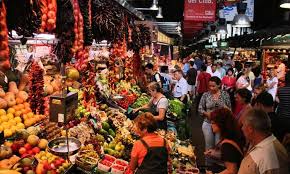
When people think about travel, famous landmarks, museums, and popular attractions often come to mind. While these places certainly have their value, some of the most authentic travel experiences can be found in a destination’s local markets. These vibrant spaces offer much more than shopping opportunities. They provide a window into everyday life, local traditions, cultural identity, and community spirit.
Across the world, local markets have served as gathering places for centuries. Long before modern shopping centers existed, people met in marketplaces to buy goods, exchange ideas, share news, and build relationships. Today, despite the rise of supermarkets and online shopping, local markets continue to play an important role in many communities.
For travelers, visiting a local market is often one of the easiest ways to experience a destination beyond its tourist attractions. The sights, sounds, aromas, and interactions found in these spaces create memorable experiences that cannot be replicated elsewhere.
The Heart of Local Communities
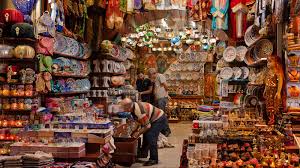
Local markets are often considered the heart of a community. They bring together farmers, artisans, small business owners, and residents in a shared space that reflects the character of the area.
Unlike large commercial shopping centers, markets tend to have a personal atmosphere. Vendors often know their customers by name, and conversations are as common as transactions. These interactions help strengthen community connections and preserve local traditions.
For travelers, this environment offers an opportunity to observe daily life in a natural setting. Instead of experiencing a destination through carefully designed tourist attractions, visitors can witness genuine interactions and local routines.
Spending time in a market often provides a deeper understanding of a place and its people than many traditional sightseeing activities.
A Journey Through Local Food Culture
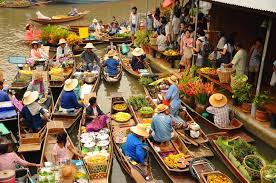
Food is one of the biggest attractions of local markets. Fresh produce, regional specialties, street food, and traditional recipes come together to create a rich culinary experience.
Every destination has its own food culture, and markets often showcase the ingredients that define local cuisine. Visitors can discover fruits, vegetables, spices, and dishes that may be unfamiliar to them.
Many travelers find that some of their favorite meals are enjoyed not in expensive restaurants but in market stalls run by families who have perfected recipes over generations.
Food markets also reveal how geography and history influence local diets. Coastal communities may specialize in seafood, while mountain regions often feature hearty dishes suited to colder climates.
Sampling local food allows travelers to connect with a destination in a direct and meaningful way.
Discovering Handmade Crafts and Unique Souvenirs
Unlike mass-produced souvenirs, handcrafted items frequently carry personal stories and cultural significance. Whether it is pottery, textiles, jewelry, woodwork, or artwork, these products often represent generations of craftsmanship.
Purchasing directly from artisans allows travelers to learn about the creative process behind each item. These conversations can add meaning to a purchase and create a stronger connection to the destination.
Handmade products also make memorable souvenirs because they represent authentic aspects of local culture rather than generic tourist merchandise.
Meeting the People Behind the Products
One of the most rewarding aspects of visiting local markets is the opportunity to interact with local residents.
Market vendors are often passionate about their products and eager to share their knowledge. Whether discussing traditional recipes, farming methods, or cultural customs, these conversations can provide valuable insights into local life.
Travel experiences are often shaped by the people encountered along the way. A friendly exchange with a market vendor may leave a stronger impression than visiting a famous attraction.
These interactions remind travelers that tourism is not just about places—it is also about people. Building connections with local communities enriches the travel experience and creates lasting memories.
Even simple conversations can lead to a deeper appreciation of a destination’s culture and traditions.
Markets as Cultural Landmarks
In many destinations, local markets are important cultural institutions. They preserve traditions that have existed for generations and serve as symbols of community identity.
Some markets have operated continuously for hundreds of years, becoming integral parts of regional history. They often reflect architectural styles, social customs, and trading practices that have evolved over time.
Visiting these markets allows travelers to experience living history. Unlike museums, which display artifacts from the past, markets demonstrate how traditions continue to exist in everyday life.
The blend of history, commerce, and culture makes local markets fascinating destinations in their own right.
The Economic Importance of Local Markets
Beyond their cultural significance, local markets play an important economic role. They provide income opportunities for small businesses, farmers, artisans, and entrepreneurs.
Many local producers rely on markets as a primary source of revenue. By purchasing products directly from vendors, travelers help support local economies and contribute to community development.
This direct connection between producers and consumers often creates a more sustainable economic model. Rather than profits being distributed through large corporations, income remains within the community.
Supporting local businesses allows tourism to have a positive impact on the destinations people visit.
A Sustainable Travel Experience
As travelers become more aware of environmental issues, local markets are gaining attention as sustainable tourism experiences.
Many market products are sourced locally, reducing transportation-related environmental impacts. Fresh produce often travels shorter distances than items found in large retail chains.
Markets also encourage travelers to support local agriculture and traditional production methods. Choosing locally made goods can reduce the environmental footprint associated with imported products.
Walking through markets instead of visiting large commercial shopping centers also promotes a more community-focused approach to tourism.
For environmentally conscious travelers, local markets represent an opportunity to make responsible purchasing decisions while enjoying authentic experiences.
Why Markets Create Lasting Memories
Travel memories are often tied to sensory experiences, and local markets engage all the senses.
The vibrant colors of fresh produce, the aroma of local foods, the sounds of vendors calling out their offers, and the energy of crowds create an atmosphere that is difficult to forget.
Unlike carefully planned tourist attractions, markets feel spontaneous and alive. Every visit is slightly different because the people, products, and interactions constantly change.
Travelers often remember these experiences because they feel genuine and unscripted. The atmosphere of a local market captures the essence of a destination in a way that few other places can.
Many people return home with stories not only about what they purchased but also about the people they met and the experiences they shared.
The Future of Local Markets

Despite modernization and changing consumer habits, local markets continue to adapt and remain relevant.
Many markets are embracing technology while maintaining their traditional character. Vendors increasingly use digital payment systems, social media, and online platforms to connect with customers.
At the same time, growing interest in sustainable tourism, local food, and authentic cultural experiences is helping preserve traditional marketplaces.
Travelers are increasingly seeking meaningful experiences rather than simply visiting famous attractions. This trend benefits local markets because they offer exactly the type of cultural immersion that many modern tourists value.
As tourism evolves, local markets are likely to remain important destinations for those seeking genuine connections with places and communities.
Conclusion
Local markets are far more than places to shop. They are vibrant centers of culture, food, tradition, and community life. For travelers, they provide opportunities to experience destinations in a way that feels authentic and personal.
From sampling traditional foods and discovering handmade crafts to meeting local residents and supporting small businesses, markets offer experiences that go beyond sightseeing. They reveal the everyday stories, customs, and values that define a community.
In a world where travel is often focused on famous landmarks and popular attractions, local markets remind us that some of the most meaningful experiences can be found in ordinary places. They bring together culture, commerce, and human connection in a way that enriches both travelers and the communities they visit.
For anyone seeking a deeper understanding of a destination, a visit to the local market is often one of the best places to begin.
Read more…….
Similar blog
Slow Travel: Beyond Tourist Attractions read